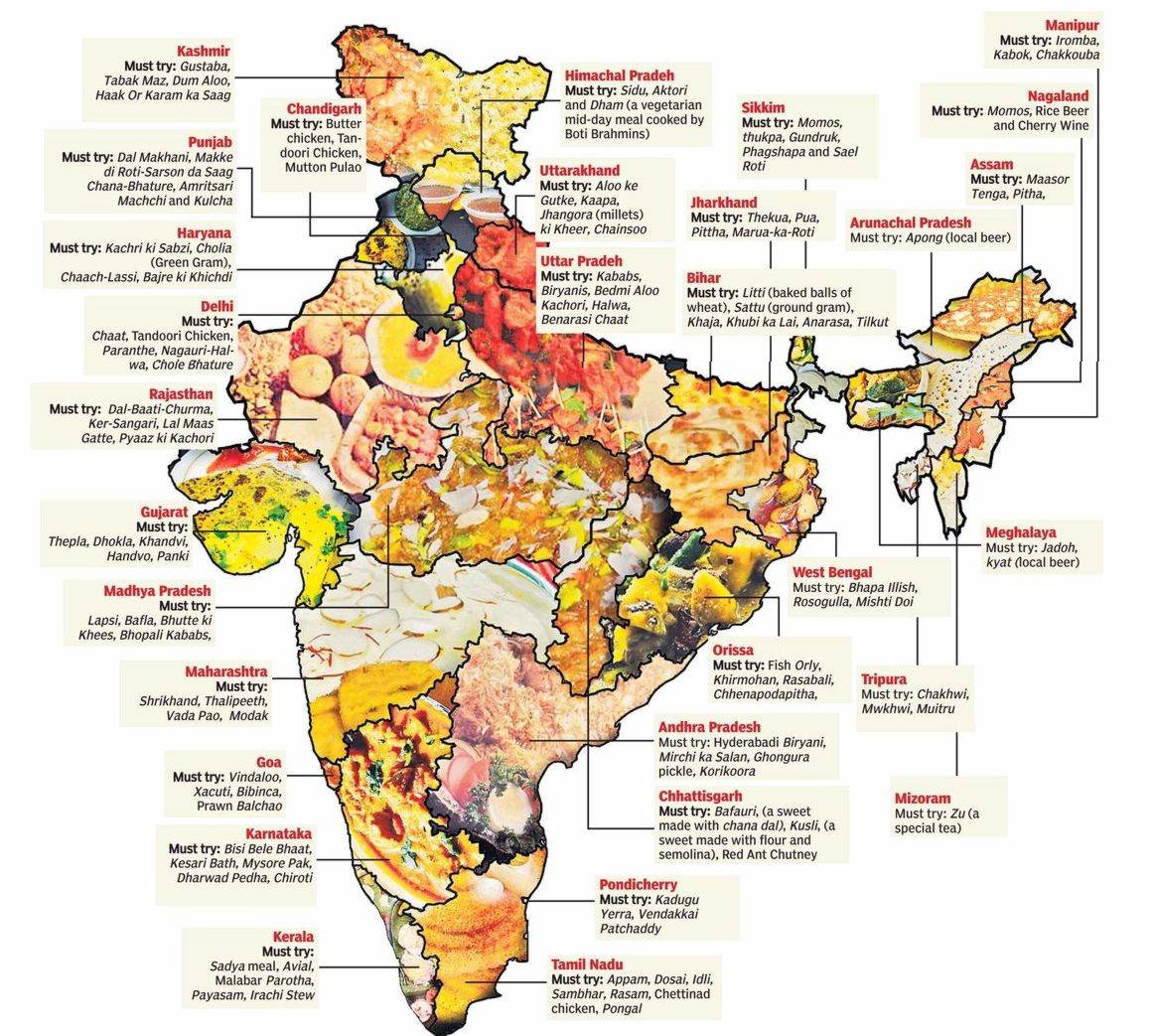
The Rich Tapestry of Indian Cuisine
Indian cuisine stands as one of the world's most diverse and flavorful culinary traditions, shaped by millennia of cultural exchange, regional geography, and spiritual practices. With over 1.4 billion people across 28 states and 8 union territories, India offers an extraordinary variety of dishes that reflect local ingredients, cooking techniques, and cultural preferences.
Dietary Patterns and Preferences
India has the world's largest vegetarian population, with approximately 40% of Indians following vegetarian diets according to recent surveys. This includes about 85% of the population in Gujarat and Rajasthan, while states like Bengal and Punjab have higher proportions of non-vegetarian eaters. The remaining 60% consume meat regularly or occasionally, with chicken being the most popular protein choice nationwide.
Religious and cultural beliefs significantly influence dietary choices. Hinduism, Jainism, and Buddhism promote vegetarianism, while regional traditions and availability of ingredients also play crucial roles in shaping local food habits.
Regional Diversity in Indian Cuisine
Northern India
North Indian cuisine features wheat-based breads like roti, naan, and paratha, paired with rich gravies and dairy products. Popular dishes include butter chicken, dal makhani, and rajma. The region's cuisine shows influences from Mughal cooking traditions, incorporating nuts, dried fruits, and aromatic spices.
Southern India
Southern Indian food emphasizes rice as the staple grain, coconut, curry leaves, and tamarind for flavoring. Iconic dishes include dosa, idli, sambar, and rasam. Each southern state—Tamil Nadu, Karnataka, Andhra Pradesh, Telangana, and Kerala—has distinct culinary identities.
Eastern India
Eastern cuisine, particularly Bengali food, is renowned for its fish preparations and sweets like rasgulla and mishti doi. Rice and fish form the cornerstone of the diet, with mustard oil as the primary cooking medium.
Western India
Western Indian cuisine varies dramatically from Gujarat's predominantly vegetarian thali culture to Mumbai's street food scene and Goan seafood specialties influenced by Portuguese colonial history.
Essential Ingredients and Cooking Methods
Indian cooking relies on a sophisticated spice system that creates complex flavor profiles. Key ingredients include:
- Staple grains: Rice, wheat, millet, and various regional grains
- Proteins: Lentils (dal), chickpeas, paneer, chicken, mutton, and fish
- Spices: Turmeric, cumin, coriander, cardamom, cinnamon, and countless others
- Cooking oils: Mustard oil (East), coconut oil (South), groundnut oil (West), and ghee (clarified butter)
- Fresh ingredients: Ginger, garlic, onions, tomatoes, and cilantro
The Science of Indian Flavors
Traditional Indian cuisine recognizes six distinct tastes (rasas): sweet (madhura), sour (amla), salty (lavana), spicy/pungent (katu), bitter (tikta), and astringent (kashaya). A well-balanced Indian meal incorporates all six tastes to create harmony and aid digestion.
Many spices serve dual purposes as flavor enhancers and natural medicines. Turmeric acts as an anti-inflammatory, ginger aids digestion, and cloves possess antiseptic properties—knowledge that has been passed down through generations.
Modern Indian Cuisine and Global Influence
Contemporary Indian cuisine continues evolving, with fusion restaurants, molecular gastronomy interpretations, and health-conscious adaptations gaining popularity. Indian food ranks among the top three most popular international cuisines globally, with Indian restaurants operating in over 190 countries.
The rise of food delivery apps has made regional Indian dishes more accessible across the country, while cooking shows and social media have sparked renewed interest in traditional recipes among younger generations.
Beverages and Drinks
Indian beverages range from traditional chai (spiced tea) consumed by millions daily to regional specialties like lassi (yogurt drink), nimbu paani (lemonade), and seasonal drinks like aam panna (raw mango drink). Coffee culture thrives in South India, while alcoholic beverages vary by state regulations and cultural acceptance.
The Indian food and beverage market, valued at over $400 billion in 2024, continues growing as urbanization and changing lifestyles create new opportunities for both traditional and innovative culinary experiences.