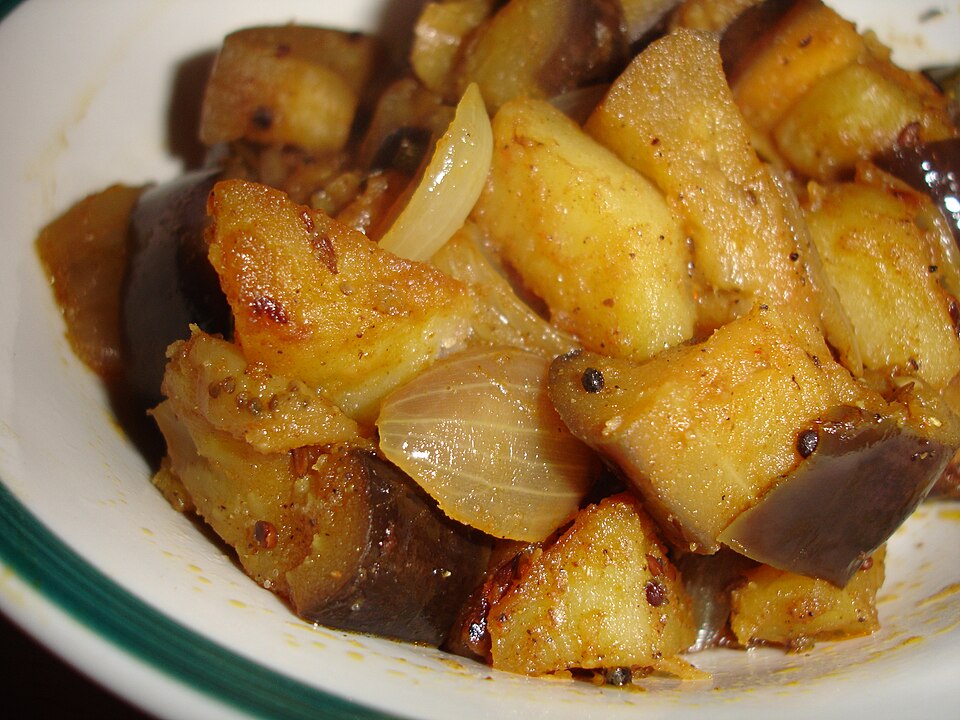
Photo: rovingI · CC BY 2.0
The Rich Tapestry of Indian Cuisine
Indian cuisine represents one of the world's most diverse and flavorful culinary traditions, encompassing thousands of regional recipes that have evolved over millennia. With over 1.4 billion people across 28 states and 8 union territories, India's food culture reflects an incredible spectrum of tastes, ingredients, and cooking techniques that vary dramatically from north to south and east to west.
Regional Diversity: A Culinary Journey Across India
North Indian Cuisine
Northern Indian cooking is characterized by rich gravies, wheat-based breads, and generous use of dairy products. Popular dishes include butter chicken, dal makhani, and various types of naan and roti. The region's cuisine heavily features ingredients like ghee, paneer, and aromatic spices such as garam masala.
South Indian Delicacies
South Indian cuisine relies heavily on rice, coconut, and fermented ingredients. Signature dishes include dosa, idli, sambar, and rasam. The region is famous for its vegetarian traditions, with states like Tamil Nadu and Kerala offering distinct flavor profiles using curry leaves, mustard seeds, and coconut oil.
Western and Eastern Flavors
Western India contributes gujarati thali, maharashtrian vada pav, and goan seafood curries, while Eastern India is renowned for its sweets like rasgulla and sandesh, along with fish curries and rice-based dishes from Bengal and Odisha.
Essential Ingredients in Indian Cooking
Indian recipes rely on a complex array of spices and ingredients that create the cuisine's distinctive flavors:
- Spices: Turmeric, cumin, coriander, cardamom, cinnamon, cloves, and fenugreek
- Aromatics: Ginger, garlic, onions, and fresh herbs like cilantro and mint
- Staples: Basmati rice, various lentils (dal), chickpea flour, and multiple types of wheat flour
- Dairy: Yogurt, paneer, ghee, and milk for both savory and sweet preparations
- Vegetables: Seasonal produce including okra, eggplant, spinach, and cauliflower
Popular Indian Recipe Categories
Vegetarian Specialties
With approximately 40% of Indians following vegetarian diets, plant-based recipes form the backbone of Indian cuisine. Classic vegetarian dishes include palak paneer, chana masala, aloo gobi, and various dal preparations. These recipes showcase how vegetables and legumes can be transformed into incredibly satisfying meals.
Non-Vegetarian Delights
Indian meat and seafood recipes feature complex marinades and slow-cooking techniques. Popular preparations include tandoori chicken, mutton biryani, fish curry, and kebabs. Each region has developed unique methods for preparing proteins, often incorporating local spices and cooking styles.
Street Food and Snacks
India's vibrant street food culture offers countless quick recipes and snacks. From Mumbai's pani puri to Delhi's chole bhature, these dishes represent the soul of Indian cooking—accessible, flavorful, and deeply satisfying.
Modern Indian Cooking Trends
Contemporary Indian cuisine is experiencing exciting evolution while maintaining traditional roots. Health-conscious cooking methods, fusion recipes, and adaptation to dietary restrictions like gluten-free and vegan options are becoming increasingly popular. Young Indian chefs are reimagining classic recipes with modern presentation and international influences.
Cooking Techniques and Kitchen Equipment
Traditional Indian cooking employs various specialized techniques:
- Tempering (Tadka): Heating spices in oil or ghee to release their flavors
- Slow cooking: Extended cooking times to develop complex flavors
- Clay pot cooking: Using earthenware for enhanced taste
- Grinding fresh spices: Daily preparation of spice pastes and powders
The Global Impact of Indian Cuisine
Indian recipes have gained tremendous international popularity, with over 65,000 Indian restaurants operating worldwide as of 2024. The global Indian food market is valued at approximately $15 billion and continues growing as more people discover the health benefits and incredible flavors of authentic Indian cooking.
Whether you're exploring simple dal recipes or attempting complex biryanis, Indian cuisine offers endless opportunities for culinary adventure, combining ancient wisdom with contemporary creativity to create meals that nourish both body and soul.