Practical Essentials

Money, connectivity, electrical plugs, safety habits, and the time zone: the everyday basics once you've arrived in India. For getting in hassle-free, see Before You Go. For moving around locally, see Getting Around.

INR, Indian Rupee is the currency, but most of us use the UPI digital wallets now. How do you get one?

For many transactions in India, you need to be able to receive One Time Passwords (OTPs) on your phone. Whether it is to book train tickets, order food, call a cab or make digital payments. Most Indian services will only send OTPs to an Indian (+91) number. Your foreign phone can give you data but n...

India is, for the overwhelming majority of visitors, a safe place to travel. The issues below are mostly about avoiding wasted money and minor hassle rather than serious danger.

My rules to stay out of trouble, after decades of travel here: Never argue with the locals, It can escalate quickly. Be...

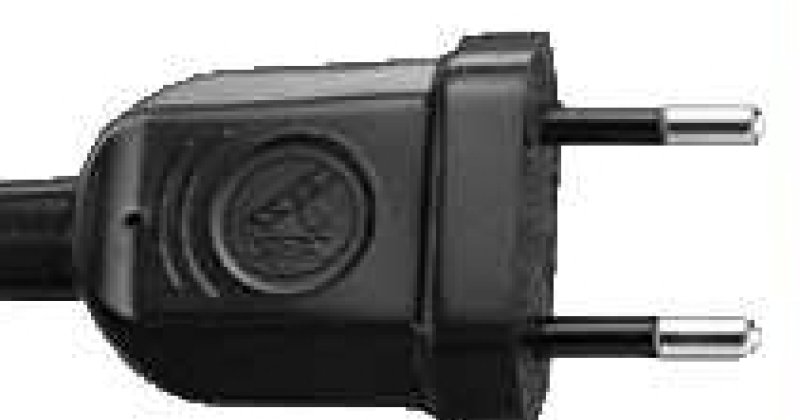
India uses 230 Volts, 50 Hz alternating current as the power source. Plugs and sockets have either grounded / earthed 3 Pin connections (Type D) or ungrounded 2 pin connections (Type C).

The two pin plug is also called the Europlug. It has two round 4 mm (0.157 in) pins. It can be inserted in eith...

Indian Standard Time - IST is Five and a Half hours ahead of UTC / GMT. India has no Daylight Saving Time (DST) although the country spans more than 2000 Km East to West. Tea gardens in Assam have historically followed an informal 'Tea Garden Time', one hour ahead of IST, to make better use of dayli...