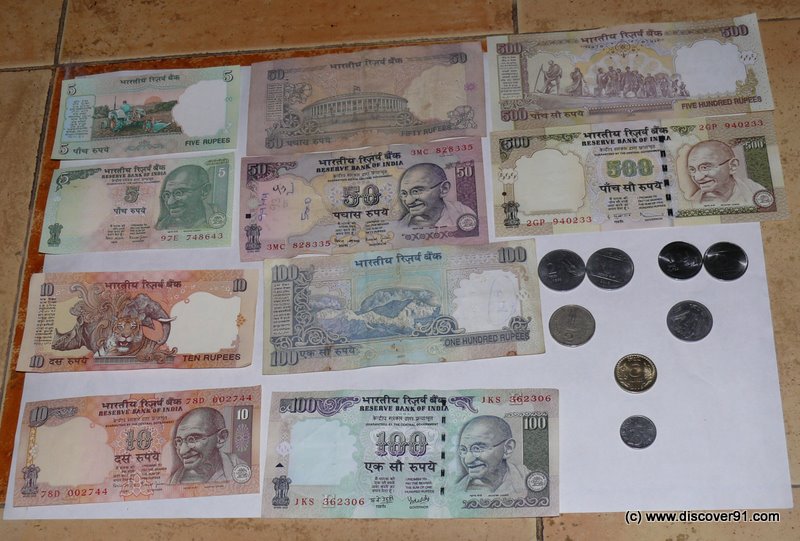
The Indian Rupee: India's Official Currency
The Indian Rupee (INR) serves as the official currency of the world's most populous nation, with over 1.4 billion people using it daily. Controlled and issued by the Reserve Bank of India (RBI), the rupee has evolved significantly since India's independence and continues to play a crucial role in the global economy as one of the most traded emerging market currencies.
Understanding the Rupee System
One Indian Rupee equals 100 paise (singular: paisa), a decimal system adopted in 1957. The currency symbol ₹ was officially adopted in 2010, though "Rs." remains widely used in written form. The word "rupee" derives from the Sanskrit "rupyakam," meaning silver coin, reflecting its historical origins in precious metal currency.
Regional Names for the Rupee
India's linguistic diversity is reflected in how different regions refer to their currency:
- Hindi: Rupaya
- Bengali: Taka
- Tamil: Roobai
- Telugu: Rupayi
- Malayalam: Roopa
- Gujarati: Rupiyo
- Marathi: Rupaye
- Kannada: Rupayi
Current Currency Denominations
Coins in Circulation
As of 2025, the following coins are officially in circulation, though usage varies by denomination:
- 50 paise: Rarely used in daily transactions
- ₹1, ₹2, ₹5, ₹10: Commonly used for small purchases
- ₹20: Introduced in 2019, gaining acceptance
The 25 paise coin was demonetized in 2011, and smaller denominations (1, 2, 5, and 10 paise) are no longer legal tender.
Banknotes
Current banknotes feature enhanced security features and the Mahatma Gandhi New Series design:
- ₹10: Chocolate brown with Sun Temple motif
- ₹20: Yellow-green with Ellora Caves design
- ₹50: Fluorescent blue with Hampi chariot theme
- ₹100: Lavender with Rani-ki-Vav stepwell
- ₹200: Bright yellow featuring Sanchi Stupa
- ₹500: Stone gray with Red Fort imagery
- ₹2000: Magenta with Mangalyaan satellite theme
The Rupee in Today's Economy
The Indian Rupee's exchange rate fluctuates based on global economic conditions, with typical ranges against the US Dollar between ₹75-85 in recent years. As India's economy grows—currently the world's fifth-largest by nominal GDP—the rupee's international significance continues to increase.
Digital Currency Revolution
India leads the world in digital payments, with the Unified Payments Interface (UPI) processing over 10 billion transactions monthly as of 2025. The RBI is also piloting the Digital Rupee (e₹), a central bank digital currency that could reshape how Indians interact with their money.
Practical Information for Currency Users
Banking and ATM Access
India's banking infrastructure has expanded dramatically, with over 250,000 ATMs nationwide. Major cities offer 24/7 banking services, while even small towns typically have multiple bank branches and ATMs. Most ATMs accept international cards, though daily withdrawal limits apply.
Currency Exchange and International Use
Authorized money changers and banks readily exchange major international currencies including USD, EUR, GBP, and others. The rupee is partially convertible on the capital account, meaning some restrictions apply to large transactions, but current account transactions are fully convertible.
Security Features
Modern Indian banknotes incorporate advanced security features including intaglio printing, security threads, watermarks, and color-changing ink to prevent counterfeiting. The RBI regularly updates these features to stay ahead of counterfeiters.
The Indian Rupee represents not just a medium of exchange, but India's growing economic influence on the world stage, supported by robust digital infrastructure and continued monetary policy evolution.