Understanding India's Diverse Climate Zones
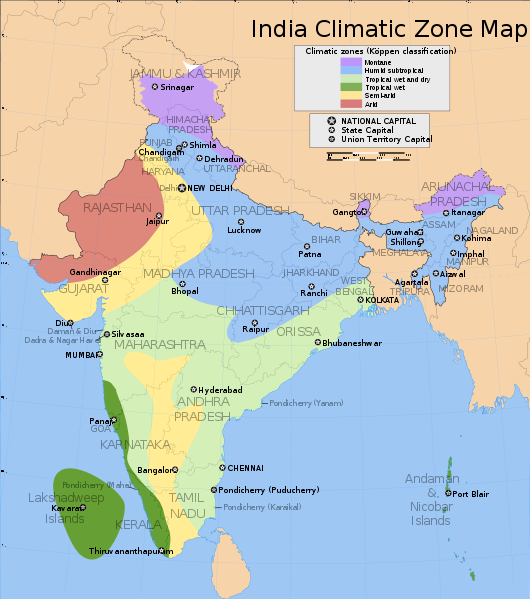
India's vast landmass spans over 3.2 million square kilometers, creating one of the world's most diverse weather patterns. From tropical beaches in the south to snow-capped Himalayan peaks in the north, the country experiences everything from desert heat to alpine cold. The Indian Meteorological Department (IMD) classifies the nation into seven distinct climatic zones, each with unique weather characteristics that significantly impact travel planning.
Two major geographical features shape India's weather: the mighty Himalayas and the Thar Desert. The Himalayas act as a natural barrier, blocking frigid Central Asian winds and keeping the subcontinent warmer than other regions at similar latitudes. Meanwhile, the Thar Desert plays a crucial role in attracting the southwest monsoons, which bring life-giving rainfall to much of the country.
The Four Seasons of India
Summer Season (March to June)
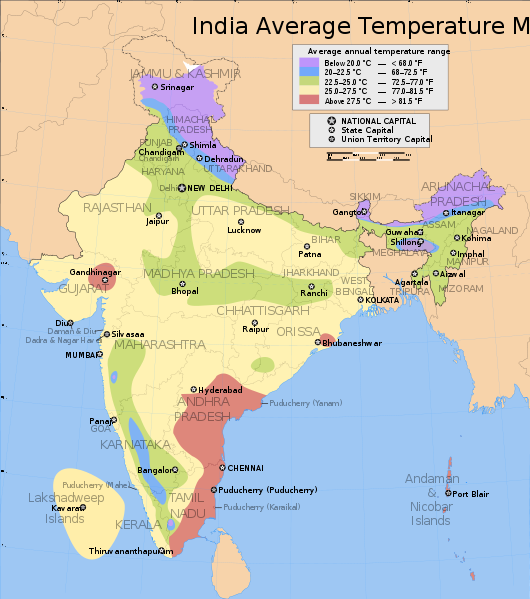
Summer temperatures across India typically range from 32°C to 45°C (90°F to 113°F), with some desert regions experiencing even higher temperatures. The northwestern plains, including Delhi, Punjab, and Rajasthan, face the most intense heat, often reaching 47°C (117°F) in May and June. Coastal areas remain relatively cooler due to sea breezes, while hill stations like Shimla, Darjeeling, and Ooty provide pleasant relief with temperatures around 15°C to 25°C (59°F to 77°F).
This season sees the highest energy consumption for cooling, with air conditioning usage peaking in urban areas. For travelers, early morning and evening hours offer the most comfortable outdoor experiences.
Monsoon Season (June to September)
The southwest monsoon brings approximately 75% of India's annual rainfall, typically arriving in Kerala by June 1st and covering the entire country by mid-July. Average rainfall varies dramatically across regions:
- Mawsynram, Meghalaya receives over 11,000mm annually
- Western Ghats and northeastern states: 2,000-3,000mm
- Indo-Gangetic plains: 1,000-2,000mm
- Northwestern regions: 100-500mm
While tourist numbers drop during monsoons, this season offers unique experiences like ayurvedic treatments in Kerala, dramatic landscapes, and significantly lower accommodation costs. However, travel can be challenging due to flooding and transportation disruptions.
Post-Monsoon Season (October to December)
This transitional period brings clear skies, moderate humidity, and pleasant temperatures ranging from 20°C to 30°C (68°F to 86°F) in most regions. It's considered the ideal time for trekking in the Himalayas, with excellent visibility and stable weather conditions. Tamil Nadu receives its primary rainfall during this period from northeast monsoons, making it the wettest time for Chennai and surrounding areas.
October and November are particularly popular for festivals like Diwali and Dussehra, with comfortable weather supporting outdoor celebrations nationwide.
Winter Season (December to February)
Winter temperatures vary significantly by region. Northern plains experience the coldest conditions, with Delhi and surrounding areas dropping to 2°C to 8°C (36°F to 46°F) during December and January nights. Daytime temperatures remain pleasant at 15°C to 20°C (59°F to 68°F). Southern India enjoys mild winters with temperatures rarely dropping below 15°C (59°F).
This season offers the best travel conditions for most of India, with low humidity, clear skies, and comfortable temperatures for sightseeing.
Regional Weather Variations
Himalayan Region
High-altitude areas experience alpine weather with heavy snowfall from December to March. Popular destinations like Manali, Gulmarg, and Auli become winter sports hubs, while summer months offer ideal conditions for trekking and mountaineering.
Coastal Areas
Both eastern and western coasts maintain more stable temperatures year-round, with sea breezes moderating extreme heat. However, coastal regions face cyclone risks, particularly during pre and post-monsoon periods.
Desert Regions
Rajasthan's Thar Desert experiences extreme temperature variations, with scorching summers exceeding 45°C (113°F) and surprisingly cold winters dropping to near-freezing levels at night.
Weather Planning for Travelers
For optimal travel experiences, consider these seasonal recommendations:
- October to March: Best for most destinations, especially northern and central India
- April to June: Ideal for hill stations and high-altitude regions
- July to September: Perfect for desert regions and experiencing monsoon culture
- November to February: Excellent for southern India and beach destinations
Always check current IMD forecasts before traveling, as climate change has increased weather unpredictability, with extreme events becoming more frequent across the subcontinent.