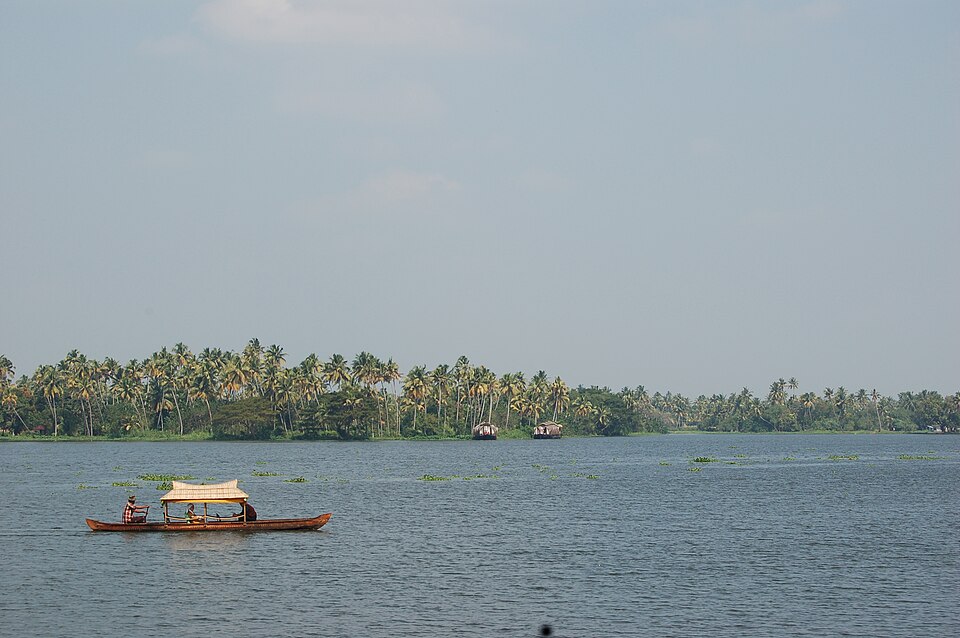
Photo: Sumeet Jain from San Francisco, USA · CC BY-SA 2.0
India Tourism: Economic Impact and Growth
India's tourism industry has emerged as one of the country's most significant economic drivers, contributing substantially to GDP, employment, and foreign exchange earnings. The sector has shown remarkable resilience and growth, transforming India into a global tourism destination that attracts millions of visitors annually.
Current Economic Contribution
As of 2024-25, India's travel and tourism sector contributes approximately 6.8% to the country's GDP, generating over ₹16.5 lakh crore annually. This represents a substantial increase from the 2.2% direct contribution recorded in 2009. The industry has weathered challenges including the COVID-19 pandemic and has bounced back stronger, with domestic tourism leading the recovery.
The sector's resilience is evident in its employment generation capacity. Currently, tourism supports over 42 million jobs directly and indirectly, making it one of India's largest employers. This translates to approximately 1 in every 11 jobs in the country, highlighting the industry's crucial role in providing livelihoods across various skill levels.
Foreign Tourist Arrivals and Revenue
India welcomed approximately 10.9 million foreign tourist arrivals in 2023, marking a strong recovery from pandemic lows. The country earned foreign exchange worth $23.5 billion from tourism in 2023, demonstrating the sector's importance to India's balance of payments.
Top Source Markets for Foreign Tourists
- Bangladesh - 1.4 million visitors
- United States - 1.3 million visitors
- United Kingdom - 850,000 visitors
- Sri Lanka - 350,000 visitors
- Canada - 340,000 visitors
Domestic Tourism: The Real Growth Driver
While international tourism garners attention, domestic tourism forms the backbone of India's tourism industry. In 2023, domestic tourists made over 2.3 billion trips within the country, contributing significantly more to the economy than international tourism. The rise of middle-class disposable income, improved connectivity, and government initiatives have fueled this domestic travel boom.
Key Tourism Segments
Cultural and Heritage Tourism
India's 40 UNESCO World Heritage Sites, including the Taj Mahal, Ajanta and Ellora Caves, and Red Fort, continue to be major draws. The Archaeological Survey of India reports over 300 million visitors to protected monuments annually.
Spiritual and Wellness Tourism
Religious tourism contributes approximately 60% of domestic tourism in India. Major pilgrimage circuits like the Char Dham Yatra, Vaishno Devi, and Buddhist circuits attract millions of devotees. Additionally, wellness tourism, including Ayurveda and yoga retreats, has gained international recognition.
Adventure and Eco-Tourism
India's diverse landscapes support growing adventure tourism, from Himalayan trekking to Kerala backwaters. The country's 104 national parks and 564 wildlife sanctuaries contribute to a thriving eco-tourism sector.
Government Initiatives and Investment
The Indian government has significantly increased tourism investment and promotional activities. The "Incredible India 2.0" campaign, launched in 2017, focuses on digital marketing and experiential tourism. Recent initiatives include:
- Development of 75 destinations under the Swadesh Darshan scheme
- PRASAD scheme for pilgrimage site development
- E-visa facility extended to 169 countries
- Infrastructure development through the Bharatmala and Sagarmala projects
Future Outlook
The tourism industry is projected to grow at 7-8% annually through 2030, potentially reaching a contribution of 8-10% to India's GDP. Key growth drivers include improved air connectivity with over 140 airports operational, digital payment systems, and emerging destinations beyond traditional circuits.
Sustainable tourism practices and responsible travel are becoming increasingly important, with initiatives focusing on reducing carbon footprint and preserving cultural heritage. The industry's digitization, accelerated by the pandemic, has improved tourist experiences through virtual guides, online bookings, and contactless services.
India's tourism potential remains largely untapped, with immense opportunities for growth in rural tourism, adventure sports, and experiential travel that can significantly boost the economy while preserving the country's rich cultural and natural heritage.