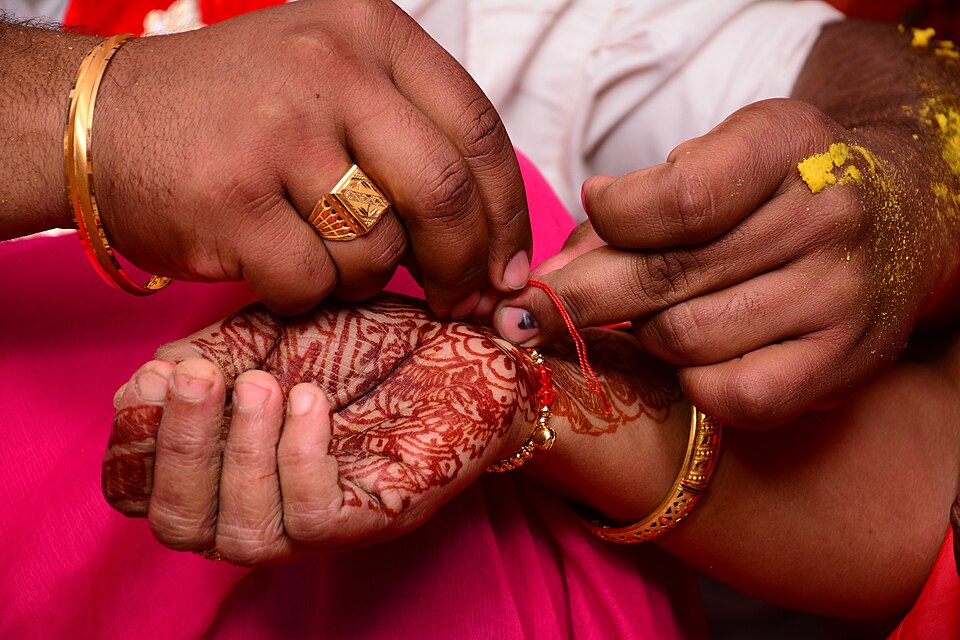
Photo: Benipal hardarshan · CC BY-SA 3.0
Indian Weddings: A Celebration of Tradition and Unity
Indian weddings are among the world's most elaborate and colorful celebrations, representing far more than just the union of two individuals. They symbolize the coming together of families, communities, and traditions that have been cherished for thousands of years. With over 10 million weddings celebrated annually across India, these ceremonies are a vibrant showcase of the country's rich cultural diversity.
The Significance of Marriage in Indian Culture
In Indian tradition, marriage is considered one of the most sacred samskaras (life rituals). It's viewed as a spiritual bond that extends beyond the present lifetime, with couples taking seven vows (saptapadi) around the sacred fire (agni). The concept of marriage as a union of souls rather than just individuals remains deeply embedded in Indian consciousness, with arranged marriages still accounting for approximately 90% of all Indian marriages as of 2025.
Regional Wedding Traditions
North Indian Weddings
North Indian weddings, particularly Hindu ceremonies, are known for their grandeur and multiple-day celebrations. Key rituals include:
- Mehendi: Intricate henna designs applied to the bride's hands and feet
- Sangeet: Musical celebration with dancing and performances
- Baraat: Groom's procession, often featuring decorated horses or luxury cars
- Pheras: Seven sacred rounds around the holy fire
- Vidaai: Emotional farewell as the bride leaves her family home
South Indian Weddings
South Indian ceremonies emphasize traditional rituals and are typically more religious in nature. Tamil, Telugu, Kannada, and Malayalam weddings each have distinct customs, but common elements include the exchange of garlands (maalai maatral), tying of the sacred thread (mangalsutra), and the saptapadi ritual performed to Vedic chants.
Regional Specialties
Bengali weddings feature the unique ritual of covering the bride's face with betel leaves, while Punjabi celebrations are famous for their energetic bhangra dancing. Gujarati weddings include the playful ritual of stealing the groom's shoes, and Rajasthani ceremonies showcase elaborate folk performances and colorful traditional attire.
The Modern Indian Wedding Industry
The Indian wedding industry has evolved into a massive economic sector worth over ₹4.74 lakh crores (approximately $57 billion USD) as of 2025. This makes it one of the largest wedding markets globally, with the average Indian wedding costing between ₹10-15 lakhs for middle-class families, though luxury weddings can exceed ₹10 crores.
Key Industry Trends
- Destination Weddings: Increasingly popular, with locations like Goa, Udaipur, and international destinations
- Eco-Friendly Celebrations: Growing awareness leading to sustainable wedding practices
- Technology Integration: Live streaming, digital invitations, and wedding planning apps
- Themed Weddings: Bollywood, royal, and contemporary themes gaining popularity
Wedding Seasons and Timing
Most Indian weddings occur during auspicious periods determined by the Hindu calendar. The prime wedding season runs from October to March, with November and December being the most popular months. The concept of "muhurat" (auspicious timing) plays a crucial role, with families consulting astrologers to determine the most favorable dates and times for ceremonies.
Attire and Jewelry
Indian wedding attire varies significantly across regions, but certain elements remain consistent. Brides typically wear red or maroon saris or lehengas, symbolizing prosperity and fertility, adorned with gold jewelry including necklaces, bangles, and the iconic nose ring (nath). Grooms traditionally wear sherwanis, achkans, or dhotis, often complemented with turbans or decorative headpieces.
Food and Hospitality
Indian weddings are renowned for their elaborate feasts, with some celebrations serving up to 15-20 different dishes. The concept of "atithi devo bhava" (guest is god) ensures that hospitality reaches extraordinary levels, with families often spending 40-50% of their wedding budget on catering alone.
Contemporary Challenges and Evolution
Modern Indian weddings face various challenges, including rising costs, changing social dynamics, and the impact of urbanization. However, they continue to adapt while preserving core traditions, creating a beautiful blend of ancient customs and contemporary preferences that keeps this cultural treasure vibrant and relevant for future generations.