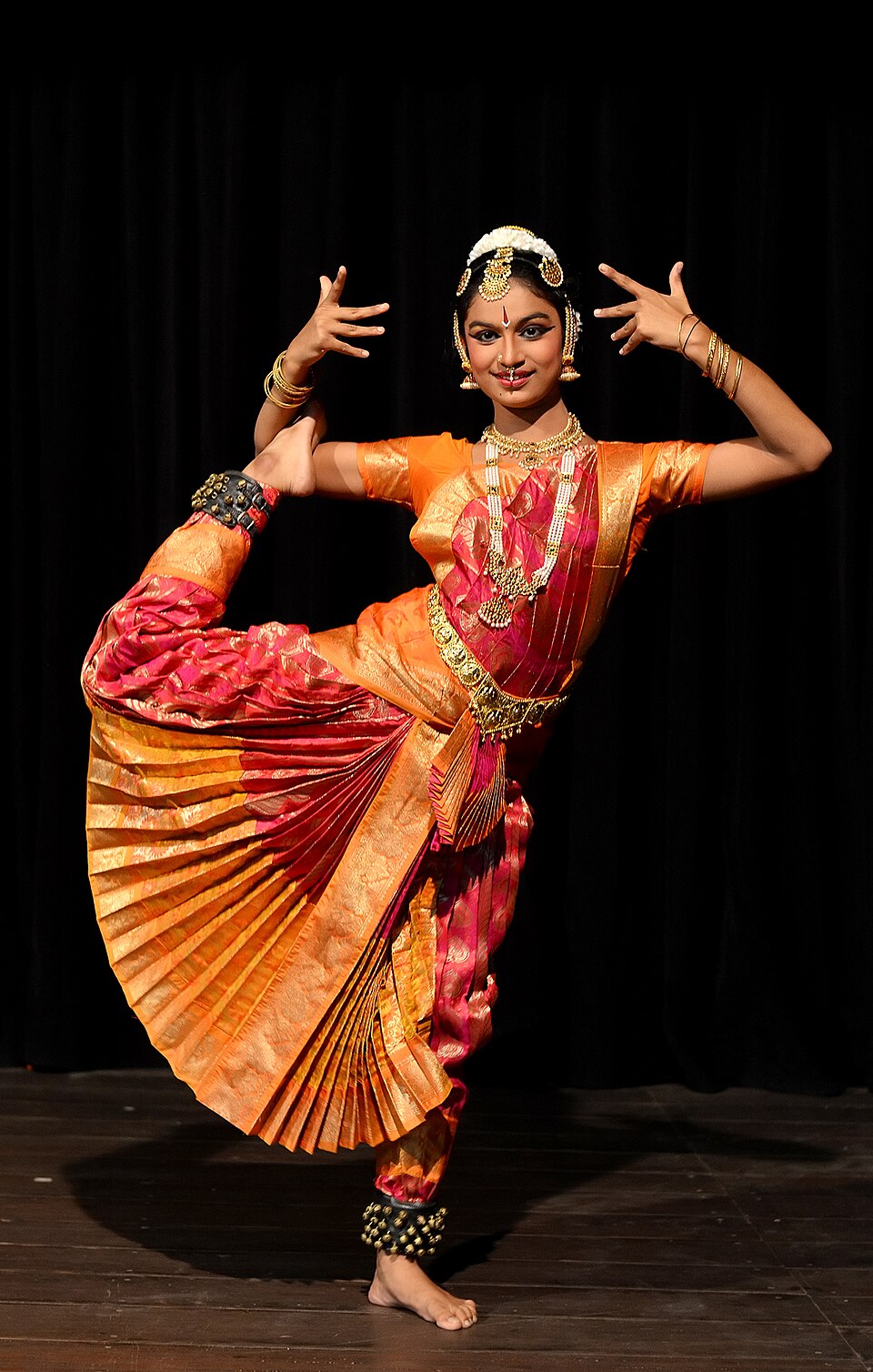
Photo: Augustus Binu/ facebook · CC BY-SA 3.0
India's Rich Cultural Heritage: A Living Tapestry
India's cultural heritage stands as one of the world's most diverse and ancient civilizations, spanning over 5,000 years of continuous evolution. This extraordinary legacy encompasses art, architecture, philosophy, literature, music, dance, and traditions that continue to thrive in modern times. With 38 UNESCO World Heritage Sites as of 2025 and countless intangible cultural practices, India represents a living museum of human civilization.
Ancient Foundations and Historical Depth
Indian heritage traces its roots to the Indus Valley Civilization (3300-1300 BCE), one of the world's earliest urban civilizations. The subsequent Vedic period laid the philosophical and spiritual foundations that continue to influence Indian culture today. Over millennia, various dynasties, including the Mauryas, Guptas, Cholas, and Mughals, contributed unique elements to India's cultural mosaic.
The concept of "Vasudhaiva Kutumbakam" (the world is one family) from ancient Sanskrit texts reflects India's inclusive cultural philosophy, which has enabled the harmonious coexistence of multiple religions, languages, and traditions.
Architectural Marvels
India's architectural heritage showcases remarkable diversity across different periods and regions:
Ancient and Medieval Architecture
- Temple Architecture: From the intricate stone carvings of Khajuraho to the magnificent Dravidian temples of Tamil Nadu, featuring towering gopurams and detailed sculptures
- Mughal Architecture: The Taj Mahal, Red Fort, and Humayun's Tomb exemplify the fusion of Islamic, Persian, and Indian architectural styles
- Buddhist Heritage: Ancient stupas at Sanchi, the cave temples of Ajanta and Ellora, and the modern revival at sites like Bodh Gaya
- Colonial Influences: Indo-Saracenic architecture visible in buildings like Victoria Memorial and Chhatrapati Shivaji Terminus
Arts and Crafts Traditions
India's artistic heritage encompasses numerous traditional crafts that support over 200 million artisans nationwide:
Textile Arts
Indian textiles represent one of the country's most celebrated cultural exports. Traditional techniques include:
- Handloom weaving in regions like Varanasi (silk), Gujarat (cotton), and Kerala (cotton and silk blends)
- Block printing from Rajasthan and Gujarat
- Embroidery traditions like Chikankari from Lucknow and Phulkari from Punjab
- Natural dyeing techniques using indigo, turmeric, and other plant-based colors
Visual Arts
Traditional Indian art forms continue to flourish alongside contemporary expressions:
- Miniature paintings from Rajasthan and the Mughal courts
- Folk art traditions like Madhubani from Bihar and Warli from Maharashtra
- Classical sculpture traditions continuing from ancient temple art
- Contemporary Indian artists gaining global recognition while drawing from traditional themes
Performing Arts Legacy
Classical Dance Forms
India recognizes eight classical dance forms, each representing centuries of refined artistic tradition:
- Bharatanatyam (Tamil Nadu)
- Kathak (North India)
- Odissi (Odisha)
- Kuchipudi (Andhra Pradesh)
- Mohiniyattam (Kerala)
- Kathakali (Kerala)
- Manipuri (Manipur)
- Sattriya (Assam)
Music Traditions
Indian classical music divides into two major traditions: Hindustani (North Indian) and Carnatic (South Indian). Both systems emphasize improvisation within structured ragas (melodic frameworks) and have produced internationally acclaimed artists like Ravi Shankar and M.S. Subbulakshmi.
Language and Literature
India's linguistic diversity includes 22 official languages and over 700 dialects. Sanskrit literature, including epics like the Ramayana and Mahabharata, continues to influence contemporary Indian thought and culture. Regional literatures in languages like Tamil, Bengali, and Hindi have produced Nobel laureates and internationally recognized authors.
Festivals and Cultural Celebrations
India celebrates over 50 major festivals annually, reflecting its religious and cultural diversity. These celebrations, from Diwali and Holi to regional festivals like Durga Puja and Onam, maintain community bonds and preserve traditional practices across generations.
Preserving Heritage in Modern Times
The Indian government, through organizations like the Archaeological Survey of India and various cultural institutions, actively works to preserve and promote cultural heritage. Digital initiatives now document traditional practices, while artisan support programs help sustain traditional crafts in the global marketplace.
India's cultural heritage continues to evolve, balancing preservation of ancient traditions with contemporary expressions, ensuring this remarkable legacy remains vibrant for future generations.