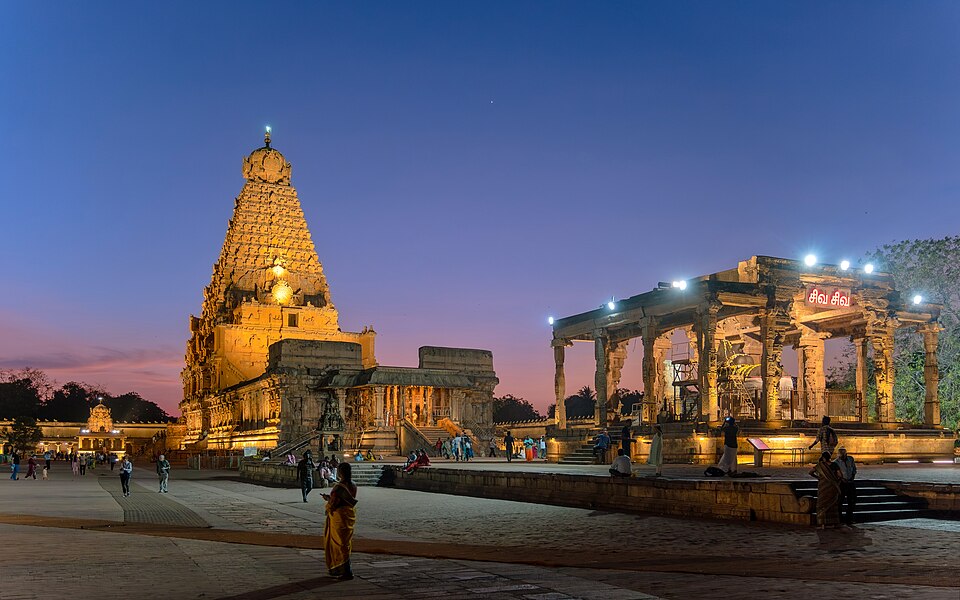
Photo:
- Original: Rainer Halama
- Derivative work: UnpetitproleX
Understanding the Indian Caste System: A Complex Social Structure
The Indian caste system is one of the world's oldest and most complex forms of social stratification, influencing Indian society for over 3,000 years. Despite constitutional provisions for equality and decades of affirmative action policies, caste continues to play a significant role in modern India, affecting everything from marriage and social interactions to politics and economic opportunities.
Origins and Traditional Structure
The caste system traditionally divides Hindu society into four main varnas (castes), each with specific roles and social status:
- Brahmins - Priests, teachers, and scholars at the top of the hierarchy
- Kshatriyas - Warriors, rulers, and administrators
- Vaishyas - Merchants, traders, and farmers
- Shudras - Laborers and service providers
Below these four varnas are the Dalits, formerly known as "untouchables," who were historically excluded from the varna system and faced severe social discrimination. Today, Dalits constitute approximately 16.6% of India's population, according to the 2011 Census.
Jatis: The Real Social Units
While the four-varna system provides a broad framework, the reality is far more complex. India has thousands of jatis (sub-castes), which are the actual social groups that determine marriage partners, occupations, and social interactions. Scholars estimate there are over 3,000 distinct jatis across India, each with its own customs, traditions, and social standing within the broader caste hierarchy.
Constitutional Protections and Legal Framework
India's Constitution, adopted in 1950, explicitly prohibits caste-based discrimination and untouchability. Article 15 forbids discrimination based on caste, while Article 17 abolishes untouchability in all its forms. The government has implemented extensive affirmative action programs, reserving seats in educational institutions and government jobs for Scheduled Castes (SCs), Scheduled Tribes (STs), and Other Backward Classes (OBCs).
Currently, the reservation system allocates:
- 15% of seats for Scheduled Castes
- 7.5% for Scheduled Tribes
- 27% for Other Backward Classes
Modern Challenges and Persistence
Despite legal protections and social reform movements, caste discrimination persists in various forms. According to the National Crime Records Bureau (2022), over 50,000 cases of crimes against Scheduled Castes and Scheduled Tribes are reported annually, though experts believe many incidents go unreported.
Economic Impact
Research by economists like Ashwini Deshpande shows significant economic disparities between castes. Dalits and Adivasis (tribal communities) have poverty rates nearly double the national average, while their representation in high-paying professions remains disproportionately low.
Educational Progress
Education has been a key driver of social mobility. Literacy rates among Scheduled Castes have improved dramatically from 10.27% in 1961 to 66.1% in 2011, though still below the national average of 73%. Elite educational institutions have seen increased representation from marginalized communities due to reservation policies.
Urban vs. Rural Dynamics
Caste influences vary significantly between urban and rural areas. In cities, particularly in the IT and service sectors, caste barriers are more porous, though they haven't disappeared entirely. Rural areas, where 68% of Indians still live, tend to have more rigid caste practices, especially regarding marriage and social interactions.
Political Mobilization
Caste has become increasingly politicized, with various caste groups forming political parties and lobbying for benefits. The rise of Dalit political leaders like Mayawati and the emergence of caste-based political coalitions demonstrate how marginalized communities are using democratic processes to challenge traditional hierarchies.
Contemporary Debates
Modern India grapples with balancing constitutional equality with ground realities. Debates continue over the effectiveness of reservation policies, with some arguing for economic criteria over caste-based preferences. The 2019 economically weaker sections (EWS) quota, providing 10% reservation for upper-caste poor, reflects these ongoing discussions.
As India advances economically and socially, the caste system remains a critical factor in understanding the country's social fabric, presenting both challenges and opportunities for creating a more equitable society.