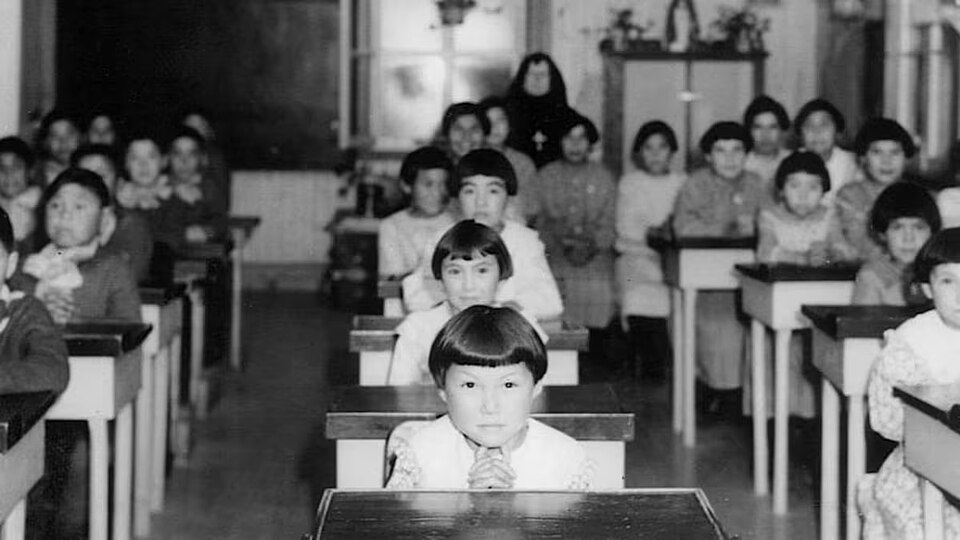
Photo: Unknown author · Public domain
Growing Up in India: The Lives of Indian Children Today
India is home to over 400 million children under the age of 18, making it the country with the world's largest child population. From bustling metropolitan cities to remote rural villages, Indian children experience diverse childhoods shaped by rich cultural traditions, evolving educational opportunities, and modern technological influences.
Education and Learning
Education remains a top priority for Indian families, with literacy rates among children showing remarkable improvement. As of 2024, India has achieved near-universal primary school enrollment, with over 96% of children aged 6-14 attending school. The Right to Education Act ensures free and compulsory education for all children in this age group.
Indian children typically begin their educational journey with:
- Pre-primary education (ages 3-6) in anganwadis or private nurseries
- Primary school (grades 1-5, ages 6-11)
- Middle school (grades 6-8, ages 11-14)
- Secondary school (grades 9-12, ages 14-18)
Many children are multilingual from an early age, learning their mother tongue, Hindi, English, and often regional languages. The New Education Policy 2020 emphasizes mother tongue instruction in early years while promoting digital literacy and critical thinking skills.
Daily Life and Family Structure
Family plays a central role in Indian children's lives. The joint family system, while evolving, still influences many households where children grow up surrounded by grandparents, aunts, uncles, and cousins. This extended family network provides emotional support, cultural learning, and shared childcare responsibilities.
A typical day for Indian children includes:
- Morning prayers or meditation in many households
- School attendance (usually 6-7 hours)
- Afternoon meals often shared with family
- Homework and study time
- Play time with siblings and neighborhood friends
- Evening family activities and traditional storytelling
Modern Influences and Technology
Digital technology is rapidly transforming childhood experiences in India. Over 60% of Indian children now have access to smartphones or tablets, with many using educational apps and online learning platforms, especially after the COVID-19 pandemic accelerated digital adoption in education.
Cultural Traditions and Festivals
Indian children participate actively in numerous festivals throughout the year, learning cultural values and traditions. Major celebrations include:
- Diwali - the festival of lights with fireworks and sweets
- Holi - the colorful spring festival
- Durga Puja and Navratri - celebrating divine feminine power
- Eid celebrations in Muslim communities
- Regional festivals like Onam, Pongal, and Baisakhi
These festivals teach children about mythology, history, and community values while providing opportunities for creative expression through dance, music, and art.
Challenges and Opportunities
Despite significant progress, Indian children face various challenges. Child labor affects approximately 10.1 million children, though this number has decreased substantially from previous decades. Malnutrition remains a concern, with about 35% of children under five being underweight, though government schemes like the Mid-Day Meal Program help address nutritional needs.
Health and Nutrition
Government initiatives have improved child health outcomes significantly. The Universal Immunization Program has increased vaccination coverage to over 85%, while programs like Poshan Abhiyaan focus on reducing malnutrition through community-based interventions.
Sports and Recreation
Indian children engage in various sports and recreational activities. Cricket remains extremely popular, but badminton, football, basketball, and traditional games like kabaddi are gaining popularity. The government's Khelo India program promotes sports participation and identifies young talent for national competition.
Traditional games like hopscotch (stapoo), marbles (goli), and spinning tops (lattu) continue alongside modern video games and digital entertainment, creating a unique blend of old and new in children's recreational activities.
Today's Indian children represent a generation bridging traditional values with modern aspirations, growing up in a rapidly changing society that values both cultural heritage and global connectivity. Their diverse experiences across India's vast landscape create a rich tapestry of childhood memories and learning opportunities that shape the nation's future leaders, innovators, and citizens.